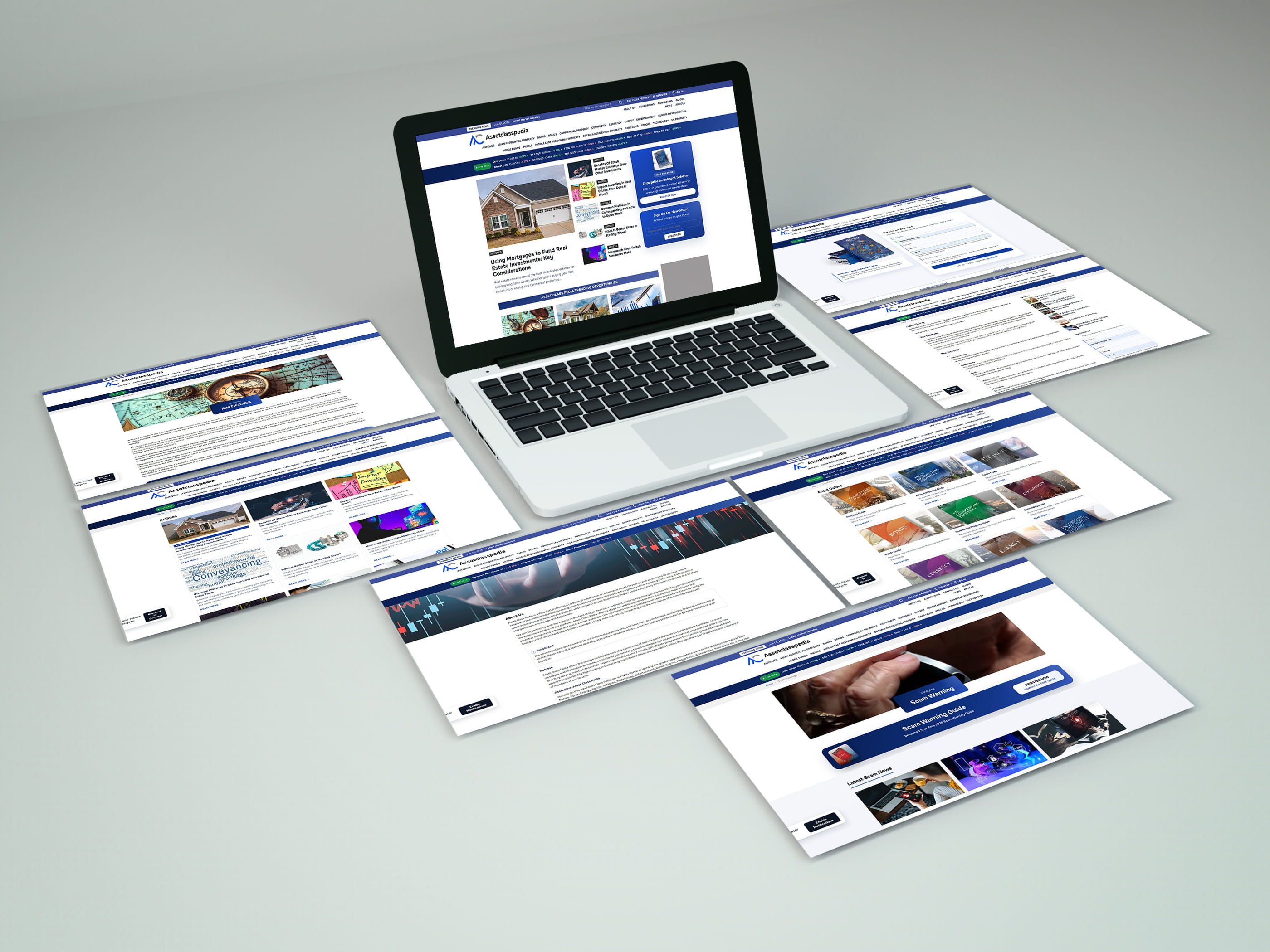
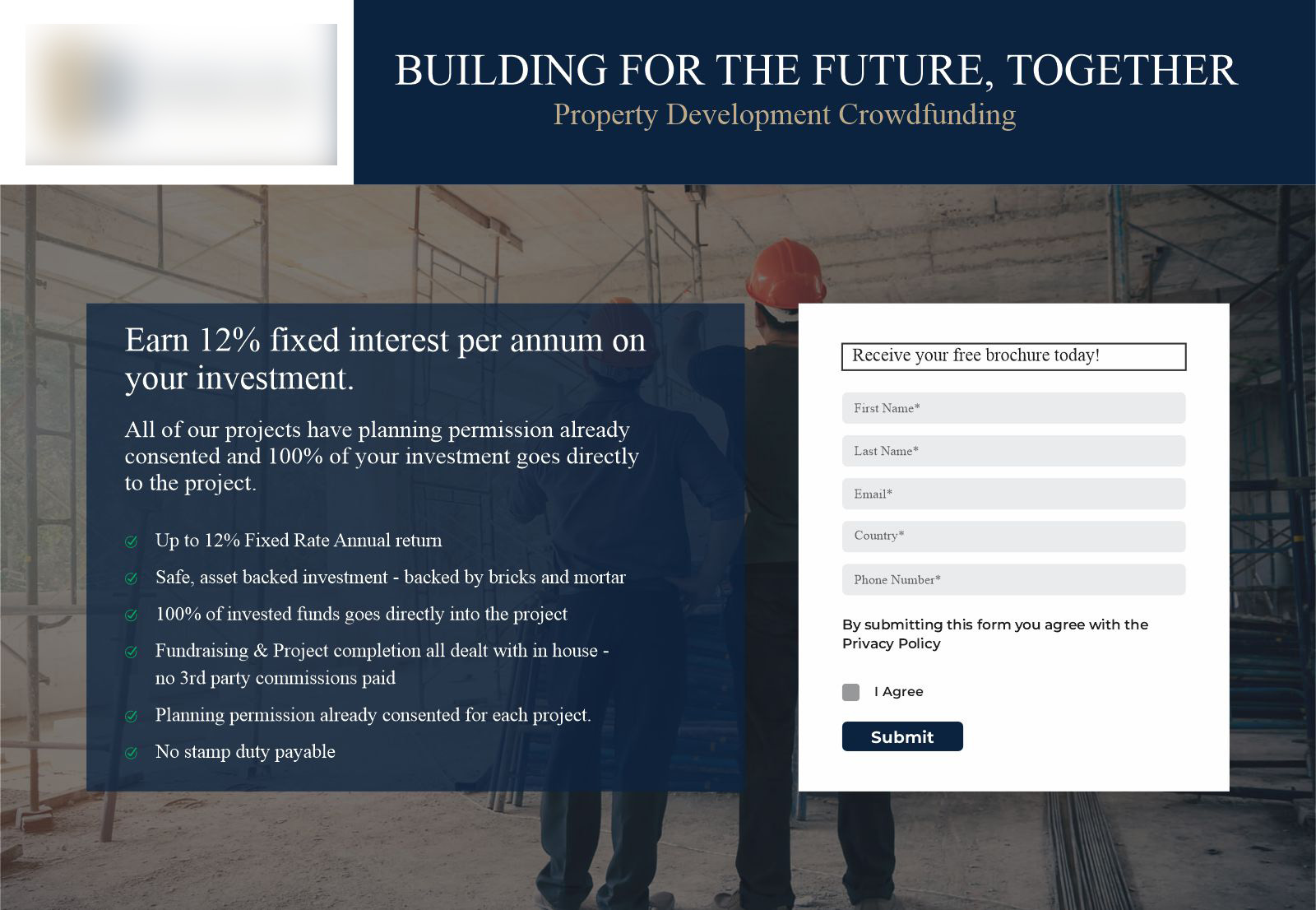
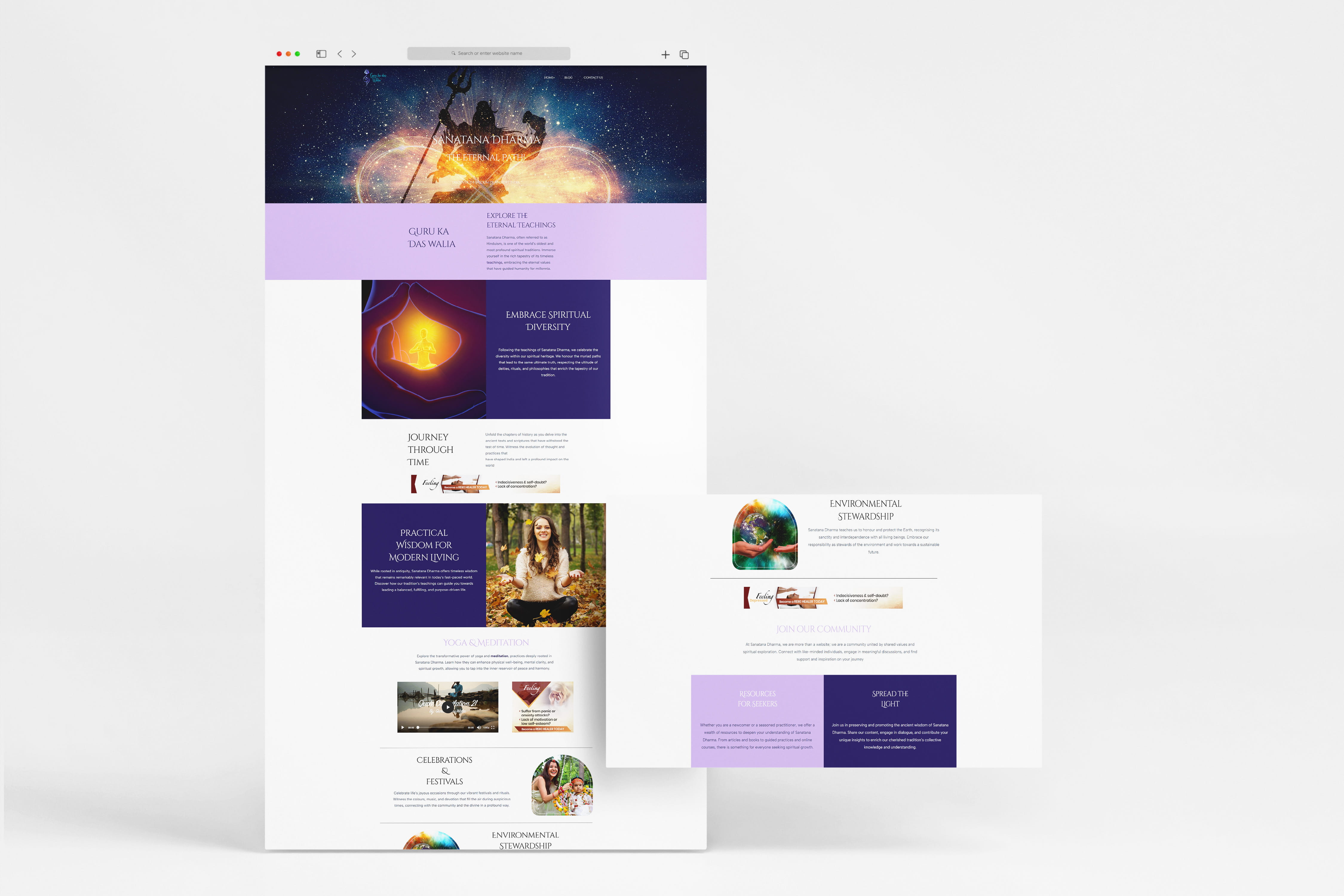
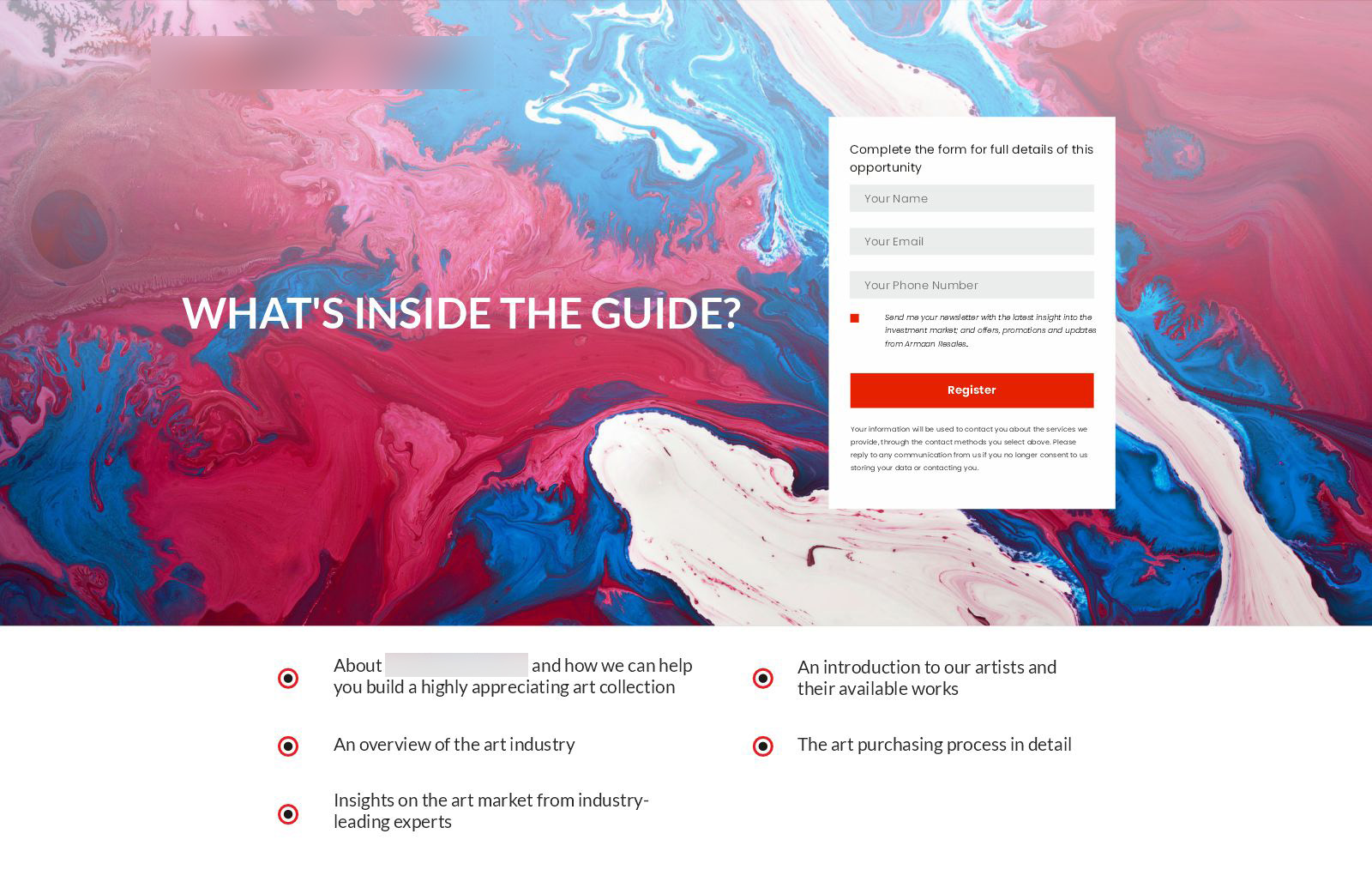
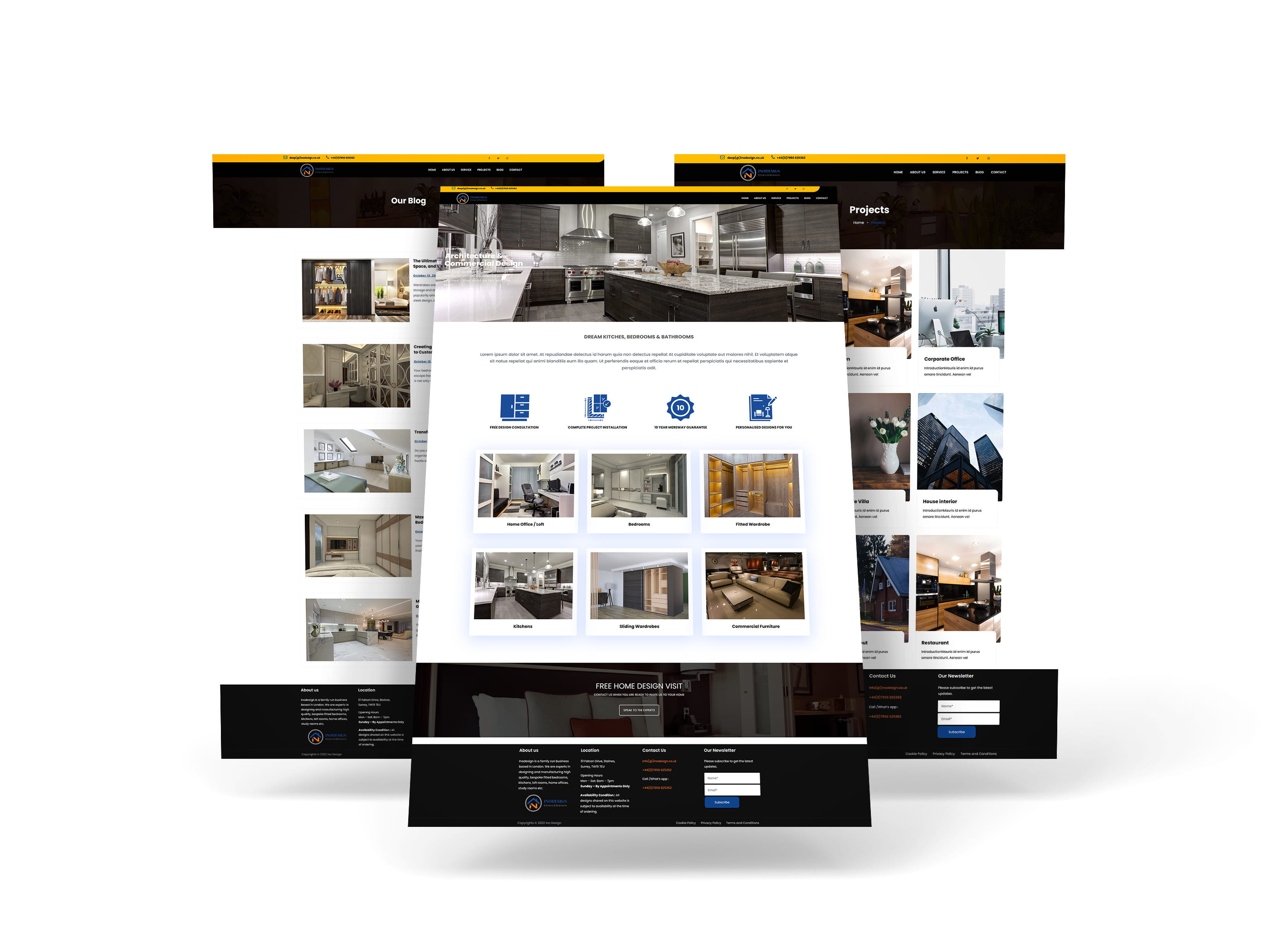
A responsive web design is a necessity for brands to reach a broader, more diverse group of users. It allows for meeting user expectations and reduces duplicate content, streamlines code, loads pages faster, and improves call-to-action visibility, increasing click-through rates.
Search engines reward mobile-friendly approaches, and page-per-session improves when pages are navigable and viewable on different devices. Images fit within the new screen, allowing the user to stay longer on pages while browsing for readable text without zooming, which is more likely to lead to action.
It saves developers' time and budget and keeps the design relevant and SEO-friendly, while functioning well on mobile, tablet, and desktop screens without interruption.
Over 90 per cent of small organisations lack responsive web design services, and more than 80 per cent of consumers do not return after a bad browsing experience. The use of mobile devices for browsing has grown, and adult users expect sites to include small-screen-based accessible features.
Studies identify it as a top priority for everyone, so site owners must consider compatibility with screens and operating systems across various devices.
Common Problems Without Responsive Web Development:
A slow-loading, bad-UX site frustrates users and leads to a higher site abandonment rate. Speed and responsiveness always create a positive impression. It improves interactivity and eliminates the need for separate sites for different devices, reducing the cost of multiple versions. The flexibility allows for making changes and managing the site without a designer.
Without it, sites face multiple barriers that prevent customers from trusting the brand, approaching it, or converting. Managing separate desktop and mobile versions is expensive and time-consuming. Businesses require smart long-term investment to make a first impression and build brand credibility.
A poorly structured site damages the brand's reputation; alternatively, a professional, consistent presentation of brand elements across multiple screens revives credibility and improves local SEO.
Such sites are added to Google Maps searches, which improves local search visibility and mobile user engagement. It allows firms to attract more local customers and get improved foot traffic. Since most users search for products on mobile, it is crucial. Adaptability to different screens allows the site to get shared and converted.
Technology continues to evolve, and new devices have been entering the market. Responsive website design services prepare us for future screen resolutions and browsing technologies.
What is Responsive Web Design?
Responsiveness allows brands to deliver a flawless experience across devices, whether on desktop, tablet, or smartphone. Responsive web development with many images saves bandwidth and reduces load times, leading to smoother browsing, easier navigation, and optimised images and layouts.
It is not just the tech jargon; the sites allow users to depict flexible images, fluid grids and media queries to adjust to various screen sizes and orientations.
How It Works
Modern CSS layouts, with a multitude of features, not only resize images but also scale them for smaller devices without wasting unnecessary space.
When the page loads, all the files are rewritten to their original forms, and small images are loaded quickly.
All high-resolution images downloaded, even in large versions, get noticed.
The flexible grid uses relative units, so elements resize proportionally to the parent container. The developers use CS grid to align items within the given structure.
Media queries are CSS rules that apply styles and, under certain conditions, can be defined by a minimum or maximum screen width.
Adaptive web design techniques allow mobile users to save data and improve load times by enabling the browser to choose the best image version from a list specified in HTML attributes. The adaptive images scale down to fit the containers.
They are based on a fluid layout where the elements and images resize proportionally to the device screen, and the designer ensures the final look gives pixel-perfect control over the layout.
Our Services
Mobile Optimisation – In the current decade, over 60 per cent of global traffic comes from mobile devices, and our team delivers a flawless experience on smartphones and tablets, making it a non-negotiable feature whether you are shopping, consulting, entertaining, or learning on these devices. The screen features must appear clean and respond seamlessly across devices.
Tablet-Friendly - It ensures the page UI automatically adjusts its layout, content and images to the user’s screen and device resolutions. It allows visitors to navigate, read, and interact with the business regardless of the device used. It leads to better user retention on tablets and greater customer satisfaction and conversions.
Cross-Device Compatibility - It enables adaptation to different screen sizes across devices, eliminating the cost of multiple versions.
UI/UX Optimisation – UI/UX optimisation leads to effortless navigation because images are perfectly scaled, the site displays distinct, readable text, and users have a smooth interaction as the site responds to the device’s orientation and screen size. Improved UX results in better engagement, stronger customer loyalty, and higher retention.
Restructuring And Redesign – We redesign and restructure content, simplify navigation for scaling to larger screens, and ensure the visual hierarchy remains consistent.
Our Process
Research - We start with device research and analysis, where the code is identified for the smallest screen resolution, then progressively scaled up, and new features are added.
Wireframing – The plan for how the content hides, stacks, or expands is determined across various viewports to get the structure.
Layout - Breakpoints are mapped to content rather than devices.
Development – The code is written (in HTML and CSS), and the developers establish fluid grids to make images flexible using vector formats such as SVGs, and then we write media queries to implement the layout rules.
Testing – The resolution is tested across multiple devices to adjust features, using tools like Google’s mobile-friendly test and apps to simulate how the site adapts to different screen sizes.
Optimisation - The site is optimised for competitive advantage.
Before vs After Responsive Web Design Comparison
Websites without adjusting screen size have higher bounce rates, poor mobile usability, lower search engine rankings, reduced customer trust, and lower conversion rates. Poor designs hinder business growth, so our team creates modern layouts based on flexible UX.
Modern layouts are SEO-friendly and optimised for loading. It appears frictionless and user-friendly, allowing customers to return no matter how they browse.
A mobile-responsive website increases conversion rates, drives higher sales, and delivers functionality and optimised performance, creating a lasting impression of quality and trust with customers.
Features
A responsive design has mobile-friendly navigation. They have menus and buttons that adapt to smaller screens. The images are flexible and resize automatically without affecting performance.
It loads faster because media and content are embedded with optimised code, resulting in faster performance across devices.
It comes with clear call-to-actions, where users can find buttons for contact, inquiries, and purchase.
It is based on modern SEO and mobile-first indexing, which improves their chances of being discovered by new users.
Benefits
A responsive design loads quickly across different systems, improving the page-browsing experience and enhancing mobile usability.
Loading speed is critical for SEO and mobile responsive website always gives an edge and is more likely to result in a higher Google ranking. The benefit of a high-ranking page is that visitors can find your site in search results.
It provides an advantage over competitors using outdated code. It improves customer satisfaction, increases online visibility, builds stronger digital authority and helps to generate more leads and revenue.
Its benefits go beyond presentation; it improves operational efficiency, leading to long-term growth and user acquisition.
The functionalities enable flawless display across multiple screens, helping businesses grow their user base.
Instead of building multiple layouts, it uses reusable components and a unified UI to reduce development cycles, keep updates simple, and lower costs.
Technologies Used in Responsive Web Design
Flexible grids, fluid layouts, CSS media queries and scalable images create a consistent user experience across all devices. The users can update the published version to save time and development resources. It entails rearranging content for smaller screens.
Frameworks like Bootstrap help stack content in several columns across your screen.
Optimised collapsible images and layouts allow users to enjoy browsing. Viewing readable text without zooming gives a tangible advantage. Mobile usage increases when pages load quickly and run smoothly and accurately on smaller screens.
Cross-device testing systems ensure everything from layout to complex functionality works flawlessly.
Mobile-First Design Approach
The mobile-first approach prioritises the smartphone version, catering directly to the modern needs of on-the-go users. It optimises performance by compressing images, improving coding efficiency, and adjusting content for multiple devices to improve user retention, conversions, and search rankings.
Such sites impact sales and lead generation by enabling users to browse and take actions on their devices, thereby improving conversion rates. It allows users to complete contact form registration, make online purchases, book, request quotes, and communicate more simply.
Impact on SEO
If users switch between Android, iOS, and Windows devices, they can use such designs to maintain consistent usability and functionality. It simplifies content management and makes the brand appear consistent across multiple platforms, making your digital presence dynamic and versatile.
It is a catalyst that allows users to have an impeccable experience across desktop, tablet, and smartphone.
It supports a unified, scalable interface, enhances performance, and enables long-term maintenance, which is crucial for product teams. It is not just about technicalities or the use of fluid grids, media queries, or flexible images.
The website resizes to various screens and orientations. The page, integrated with optimised adaptive elements and assistive tools, works in every mode to ease customer browsing and drive higher customer reviews.
Why Our Responsive Web Design Services Stand Out
We ensure the visitors get never-before-seen, flawless scroll-and-zoom features that let them read text and view images with clarity and accuracy.
Our page loads faster because search engines prioritise mobile-friendly websites, which lowers bounce rates.
Our navigable, interactive pages allow users to scroll efficiently across devices and enable purchases, registrations, bookings, and form submissions.
Modern code ensures the layout is light and flexible, adapting to the device’s width, orientation, and resolution and loading faster than standalone mobile sites.
It is technically superior, built with fluid grids based on proportional percentages rather than fixed pixels, allowing columns and sections to resize dramatically.

 Responsive Web Design