Interactive websites allow the creation of exchange zones where users interact, ask you questions, and stay longer. The website design is generated as the user accesses the site. The output depicted on screen is based on user inputs and reactions; typically, the animations and transitions deliver a unique experience for the users.
What is Interactive Web Design
Interactive Web Design depicts a smooth transition that reacts to mouse movement. Users can view the site content, share and provide feedback. Various interactive tools, maps, infographics, and configurators are embedded to organise content, subheaders, and bullet points, improving accessibility for users who rely on audio assistance.
Further, it allows users to dynamically explore data and resize text without losing functionality.
The site adapts to screen sizes, devices, and orientations by using a fluid grid, flexible images, and media content. Google Maps provides features to help save time, and such sites rank higher in search results.
Users get new search functionality; they can participate in live chats and provide feedback, vote in live polls, or respond to a real-time questionnaire. The hovering effects (where elements expand and shrink when hovered) are applied to navigation menus and buttons, with a smooth shift in colour, text, or background when clicked or hovered.
3D rotation, tilt, and border animations around buttons or links make the interface appear more responsive, and icon animations make elements spin or move.
Why Static Websites Fail to Engage Users
Websites can become boring when they load slowly, leaving users waiting too long for a response. To avoid it, interactive websites are created that engage users for longer and allow them to customise their experience by submitting personal choice data.
Without interactivity, users fail to engage, whereas interactive website design allows visitors to access information even without personal exchange zones with the website owners. It complements functions, promotes quick feedback, increases client retention, and allows consumers to click on content on the page. It allows the owners to react instantly to user inputs.
There are many types of interactive website features created by apps, such as videos, showreels, commercials, testimonials, product demonstrations, background videos, e-learning/explainer and entertaining videos.
It enables the site's owners to expand their reach through interactivity. Typically, transitions and animations create an experience for users in which, instead of just viewing the page or clicking links, they are hooked by the page content and respond to show their interest.
Our Interactive Web Design Services
Micro-Interactions – We provide micro-interactive animations and functional videos that guide users through actions. It helps us to get user feedback.
Scroll-Based Animations – Our interactive web design agency creates scroll-driven interactive web page design to improve storytelling and user engagement.
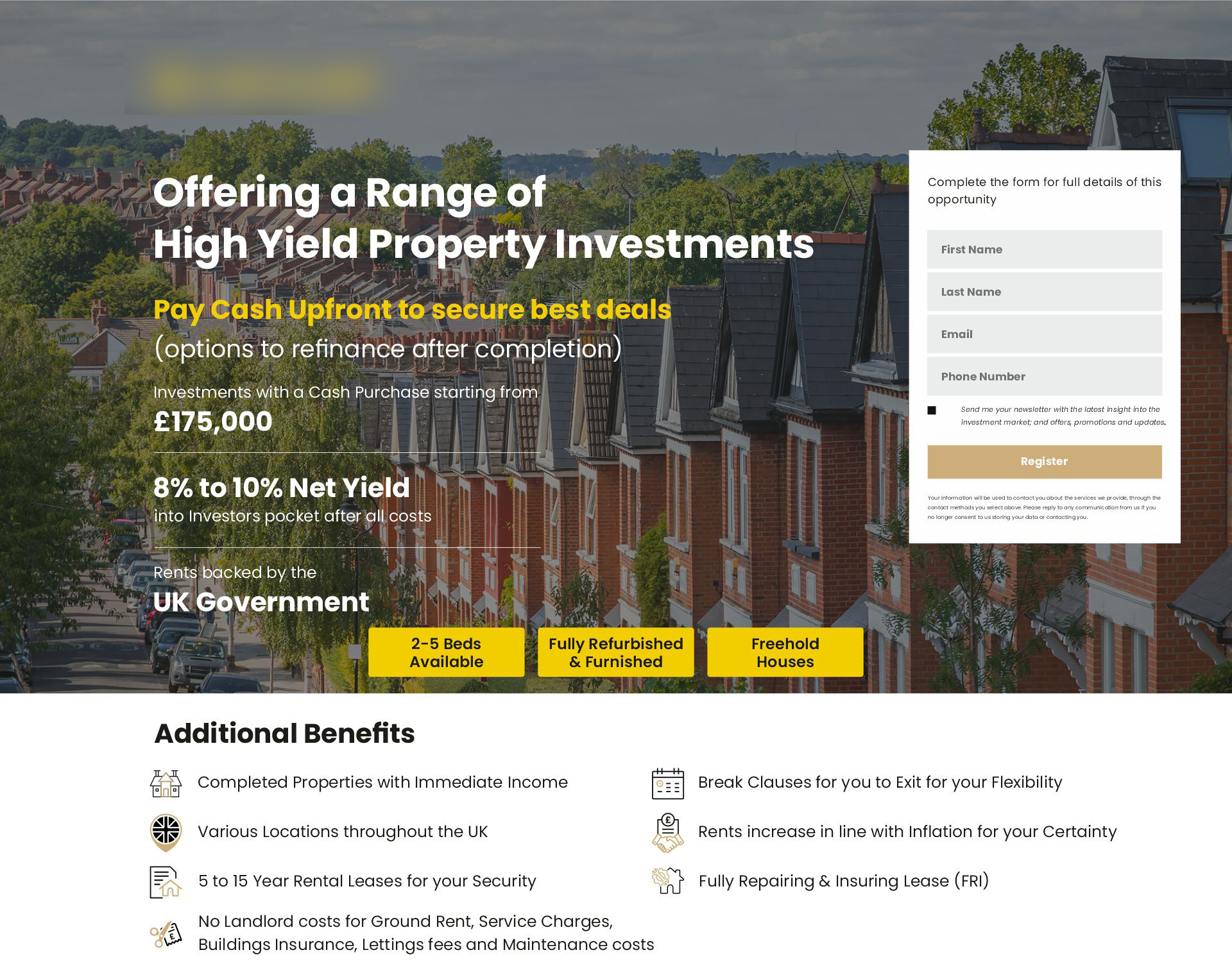
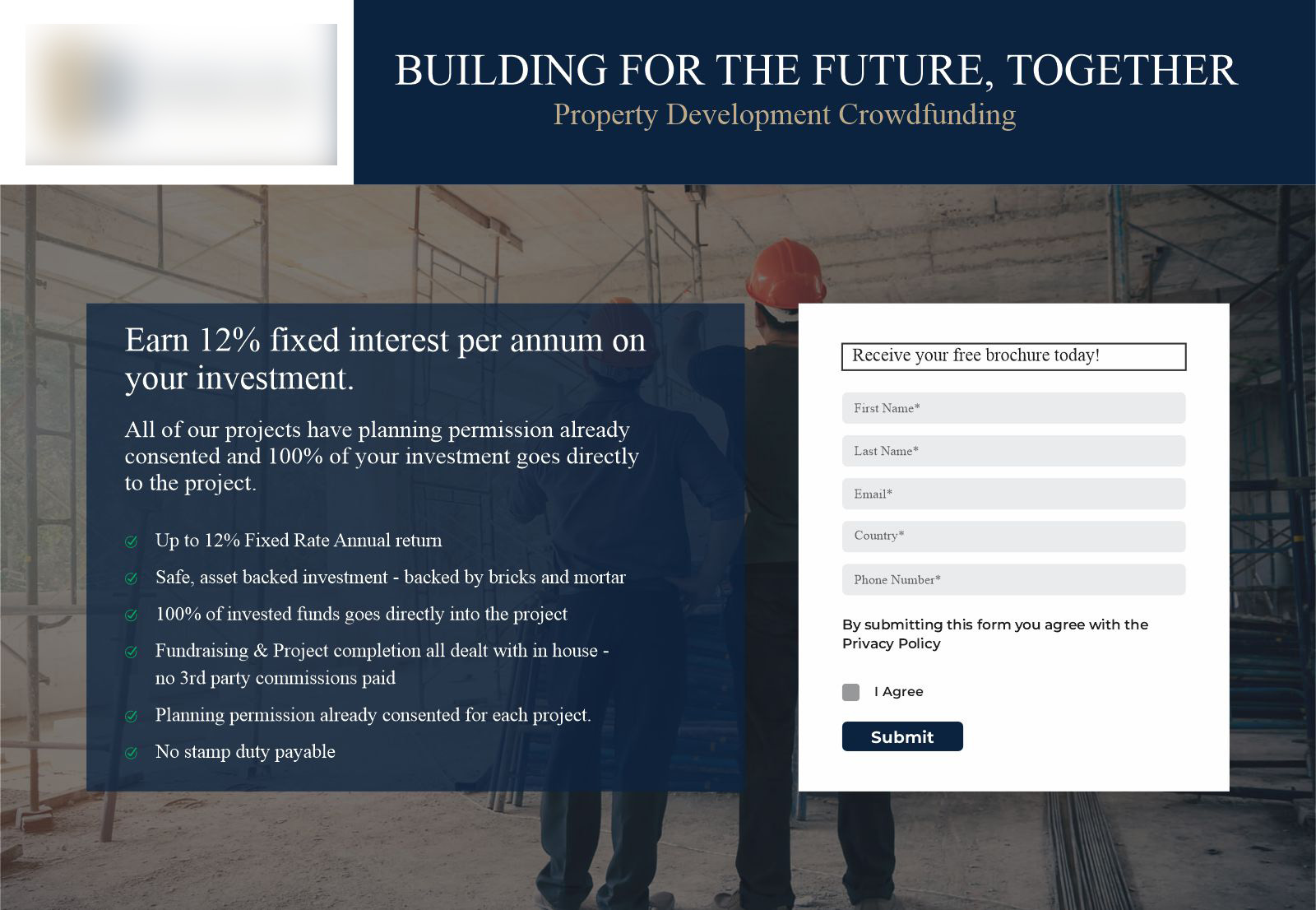
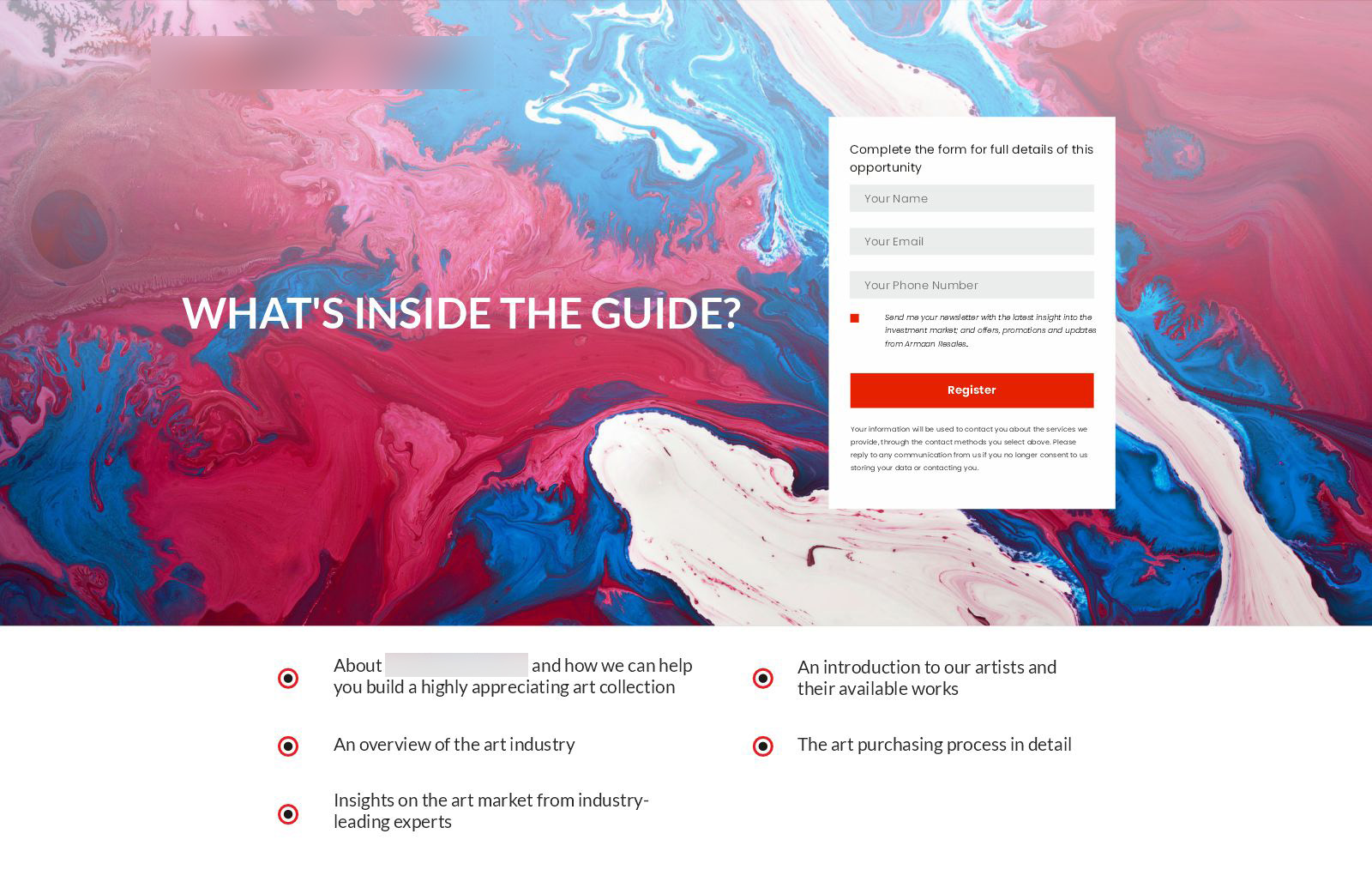
Interactive Landing Pages – Landing pages are equipped with elements such as animations, calculators, quizzes, and narratives to encourage visitor engagement.
UI/UX Prototyping – We design learnable interfaces and create user personas and scenarios based on user behaviour, referring to them while making crucial decisions.
Gamified Web Experiences – Game design elements such as points, virtual currency, badges and other visual indicators reduce abandonment rates.
Our Interactive Design Process
User Behaviour Research – Our team at interactive web design agency research user behaviour, determine what the website must achieve, and create a user journey that captivates and drives interactivity.
We use pop-ups, animations, real-time forms, and components, and we test the design on devices and browsers before deployment to ensure performance meets users' expectations and that the final output helps retain visitors' attention in the digital space.
Wireframing & Interaction Planning – Our interactive web design agency creates a skeletal blueprint to determine the user flow before approval. It illustrates the project's structure. For wireframing, one must create low-to-mid-level blueprints that depict user flows and then identify the functional elements before final design.
Our interactive web design agency creates skeletal blueprints that depict user flows and then identifies the functional elements before final design. Tools like Figma, Wireframe, and Mock flow can be used to connect screens and map user journeys to ensure navigation and functionality.
Prototyping (Tools Like Figma) – Our interactive web page design prototype starts with mapping the user journey. We then design UI components such as forms and buttons, connect screens via triggers, and implement advanced interactions.
We get a simplified prototype of the site and create clickable, animated simulations that enable user testing to ensure the product meets users' requirements. Interactive prototyping helps turn static designs into working models that stimulate user interaction, animations, and navigation.
Development & Testing – We share the prototype with our client to get their feedback. We test the integrated micro features, review the mock-ups, and check the code quality of dynamic elements.
Performance Optimisation – In the final stage, we examine site speed, animated elements with tools, and ensure functionality across browsers and mobile devices.
Where Interactive Web Design Works Best
SaaS platforms – Various platforms are used to create interactive website features, such as Canva for real-time collaborative design and Webflow for visually streamlined products. The designs with data generate more conversions than static content. Its engaging, smoother structure, paired with visually striking content, inspires users to check out the purchasing steps.
E-Commerce Websites – The e-commerce website demonstrates high-quality images, personalised recommendations, interactive purchasing journeys, 3D product visualisation, and a 360-degree view.
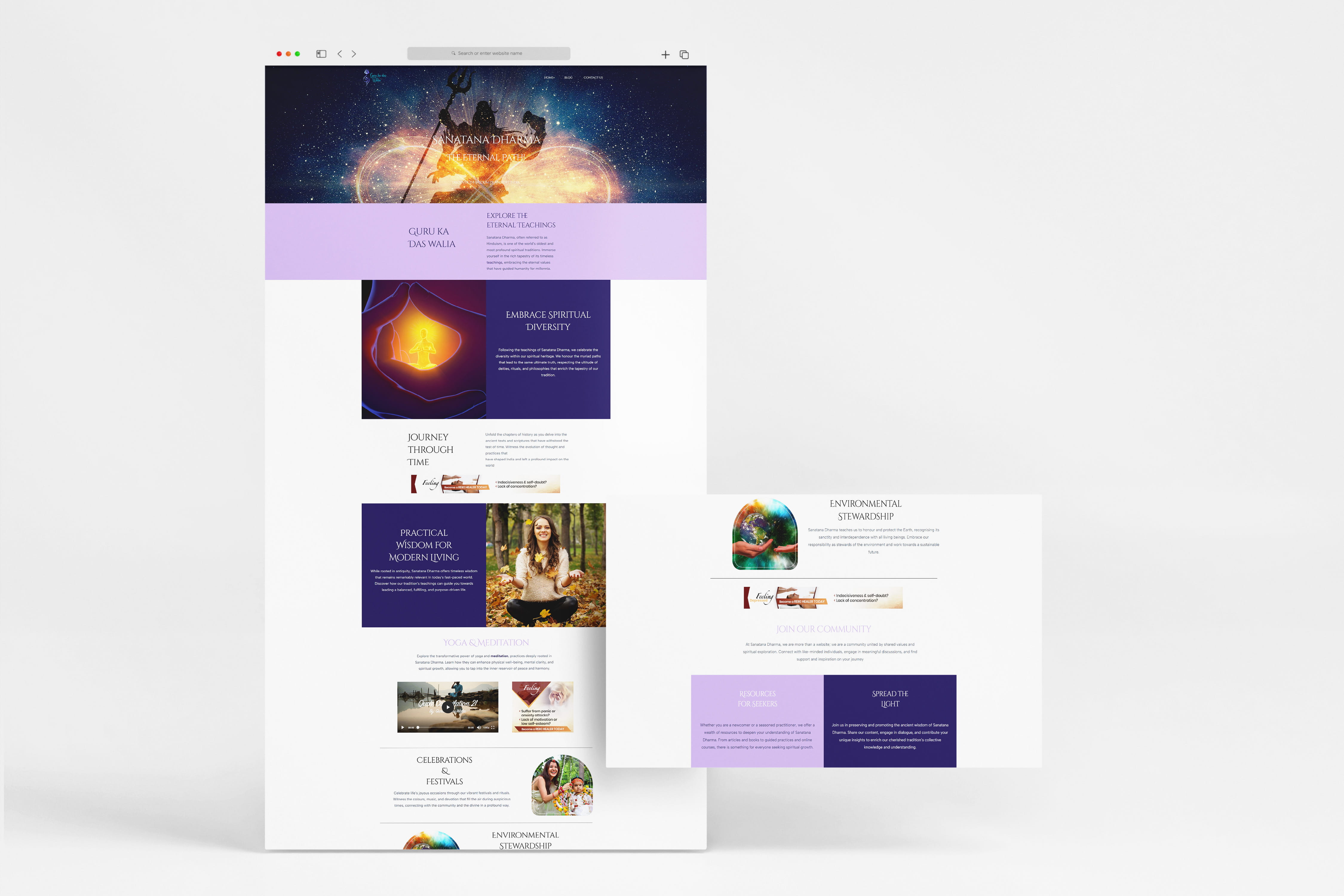
Portfolio Websites – Our interactive web design agency portfolio websites feature dynamic elements, such as scroll-triggered effects, hover interactions, and animations, creating an engaging experience that showcases creative skills and personality. It encourages visitors to explore more, create interactive features, and allows designers and developers to design processes.
Landing Pages – The landing pages motivate users to take action, increase micro-interactions that keep page viewers engaged, and make the page appear more attractive. It presents elements such as games, quizzes, videos, puzzles and conversations.
Startups & Product Launches – We present personalised content through AI-powered features, chatbot interactions, and 3D experiences, enabling buyers to explore the product virtually. We create dynamic brochures using interactive elements which can answer user queries, drive growth, and build trust.
Customer engagement and experience boost time spent on site, provide real-time support and a personalised experience, fostering loyalty.
Benefits of Interactive Web Design
Higher User Engagement – The extra layer of interactivity gives users a personalised feel, helping them address their problems and resolve their queries, leading to longer time spent on site as they explore additional features.
Higher Conversion Rates – User-centric interactive website features that address visitors’ problems and behaviours enhance site usability, leading to greater accessibility, stronger calls to action, and higher conversion rates. It delivers higher conversion rates because customers show interest, they complete tasks such as purchasing, registering for newsletters or magazines, and filling out forms.
Improved Retention: The sites foster greater loyalty by delivering personalised services. For instance, interactive website features allow the identification of the user's location or region and the localisation of content accordingly.
Strong Brand Impression – We adopt the brand colours, voice and typography across brand elements and animations to build a strong impression. Furthermore, the interactive tools and a tailored experience with the brand elements create a positive impression.
How Interactive Design Increased Engagement by 70%
The impact of interactive website features is that they influence social networking and provide insight into how highly people value your active involvement in the experience. Most popular brands primarily connect with users to increase desirability and create emotional impact by making their content appear more exciting.
For instance, interactive videos are widely used in the fitness sector, where people use them to get a personalised training experience. It is ideal for delivering individualised customer solutions because it provides tailored answers, thereby increasing trust.
It can award points, run contests, and issue badges that encourage active participation and build brand loyalty. It enabled users to make choices, navigate and feel heard and valued. It allows the site to invite medical practitioners to connect with users and offer recommendations, enabling fitness enthusiasts to revisit and nurture familiarity and trust.
Such features facilitate conversions by providing value upfront. The users remain engaged and gain value before committing to a purchase or consultation. It is useful because it gives them a reason to further engage with the brand.
Tools & Technologies
Interactive website development enables users to participate rather than be passive viewers. The concept provides information or an idea which attracts participation, and you get a reaction from the user.
It allows developers to showcase their skills using tools like Webflow or JavaScript, the intuitive interface, and custom design elements and interactive elements, which can build a strong personal brand and create a lasting impression that helps differentiate the portfolio from competitors.
HTML5, CSS3, JavaScript – We use HTML5, CSS3, and JavaScript to create a structural foundation that enables users to engage with a digital interface.
GSAP Animations – GSAP animates HTML elements, CSS properties, SVG and Canvas. It offers better performance and greater flexibility than CSS-only animations.
React – React is used to create keyframes and transitions. We create JavaScript libraries and standard CSS to provide better control over complex motion-based transitions.
Webflow – Our designers use Webflow to create multi-level animations with a timeline interface that triggers animations based on user behaviour, clicks and mouse movements.
Pricing Section
Interactive websites offer a range of features and functionalities. The cost of designing basic interactive website features starts from £5,000, and complex stores with multiple-level product filters, multiple payment integrations, and shopping carts can cost more than £15,000. In comparison, some stores equipped with advanced, complex functionalities cost over £100,000.
Basic Interactive Site – A basic interactive website development with simple forms and a CMS, user engagement features, FAQs, mobile responsiveness, security, and other features can cost £5,000.
Advanced Interaction Design – Advanced websites with real-time data upgrades cost more than £20,000.
Custom Enterprise Solution - Custom enterprise solution with custom filtering, advanced checkout, bespoke functionalities, user dashboards, and a high-end CMS costs over £25,000 and can go up to £150,000.
Ready to Build an Interactive Website?
Get personalised advice and learn about the complex interactions or industry standards we integrate into our sites. Choose your adventure and get a free quote for an interactive website with 360-degree videos, immersive audio, and video experience.
Contact our team for general enquiries about interactive website development with maps or the searchable database to get an idea of how the website will look or how the page will respond to external user triggers.

 Interactive Web Design